
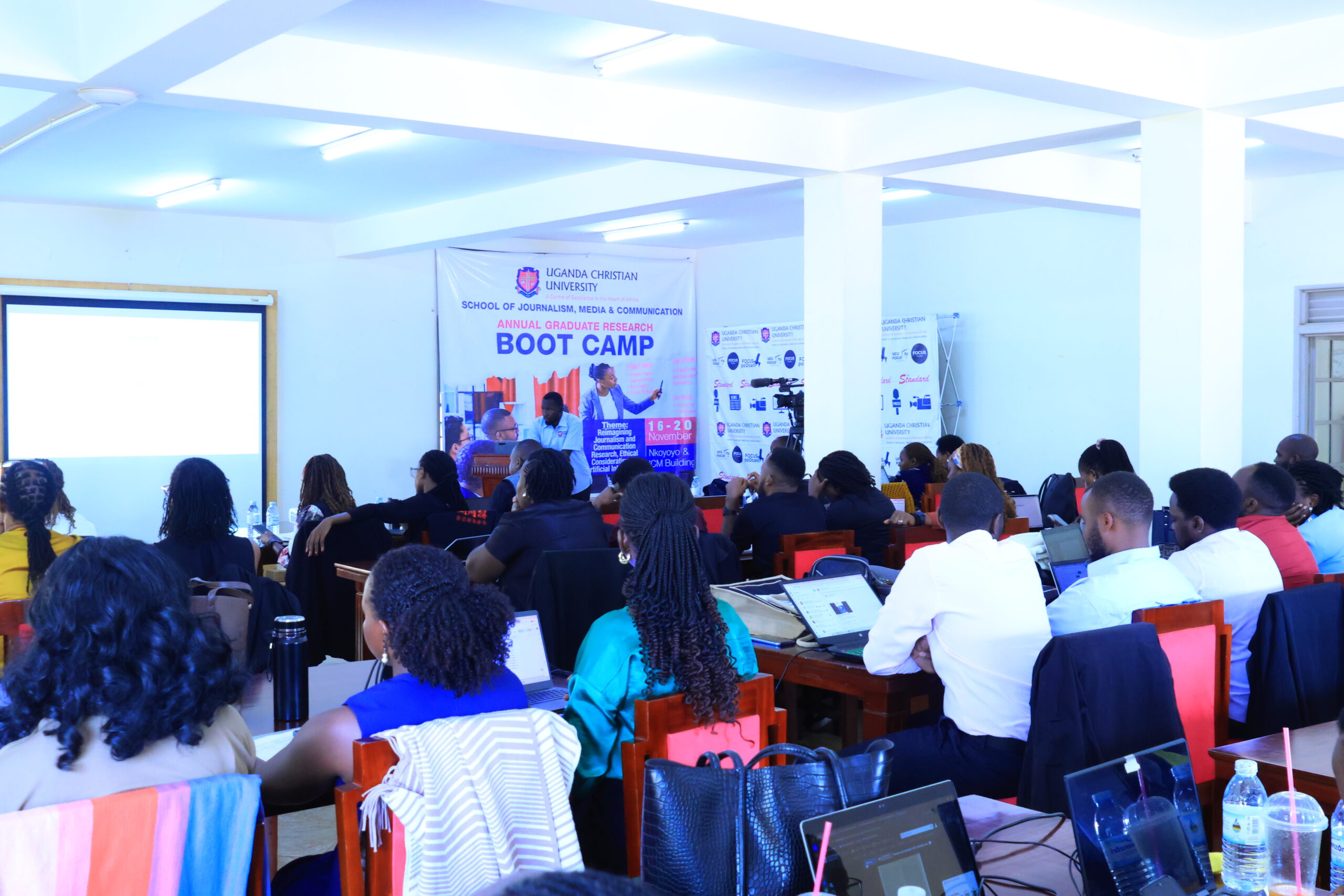
The Uganda Christian University School of Journalism, Media and Communication (SJMC) has convened its Annual Graduate Research Boot Camp at the Nkoyoyo and ICMI Building.
Running from 16 to 20 November 2026, the five-day programme, themed “Reimagining Journalism and Communication Research, Ethical Considerations & Artificial Intelligence,” focuses on intensive skills development, expert engagement, and academic networking for postgraduate students.
The boot camp is chiefly designed to translate research theory into actionable competence. Sessions, so far, addressed literature reviews and reference management, the ethical use of artificial intelligence, preparation of concept notes and proposals, and strategies for data collection.
Practical guidance covered locating sources through discipline-specific databases and catalogues, personal editing of drafts before supervisor review, and technical readiness for presentations (checking equipment, connectivity, and timing whether sessions are physical or online). These elements build independence, critical judgment, and professionalism; skills that enable graduates to produce rigorous, relevant research while navigating the media and communication field’s rapid technological and ethical changes.
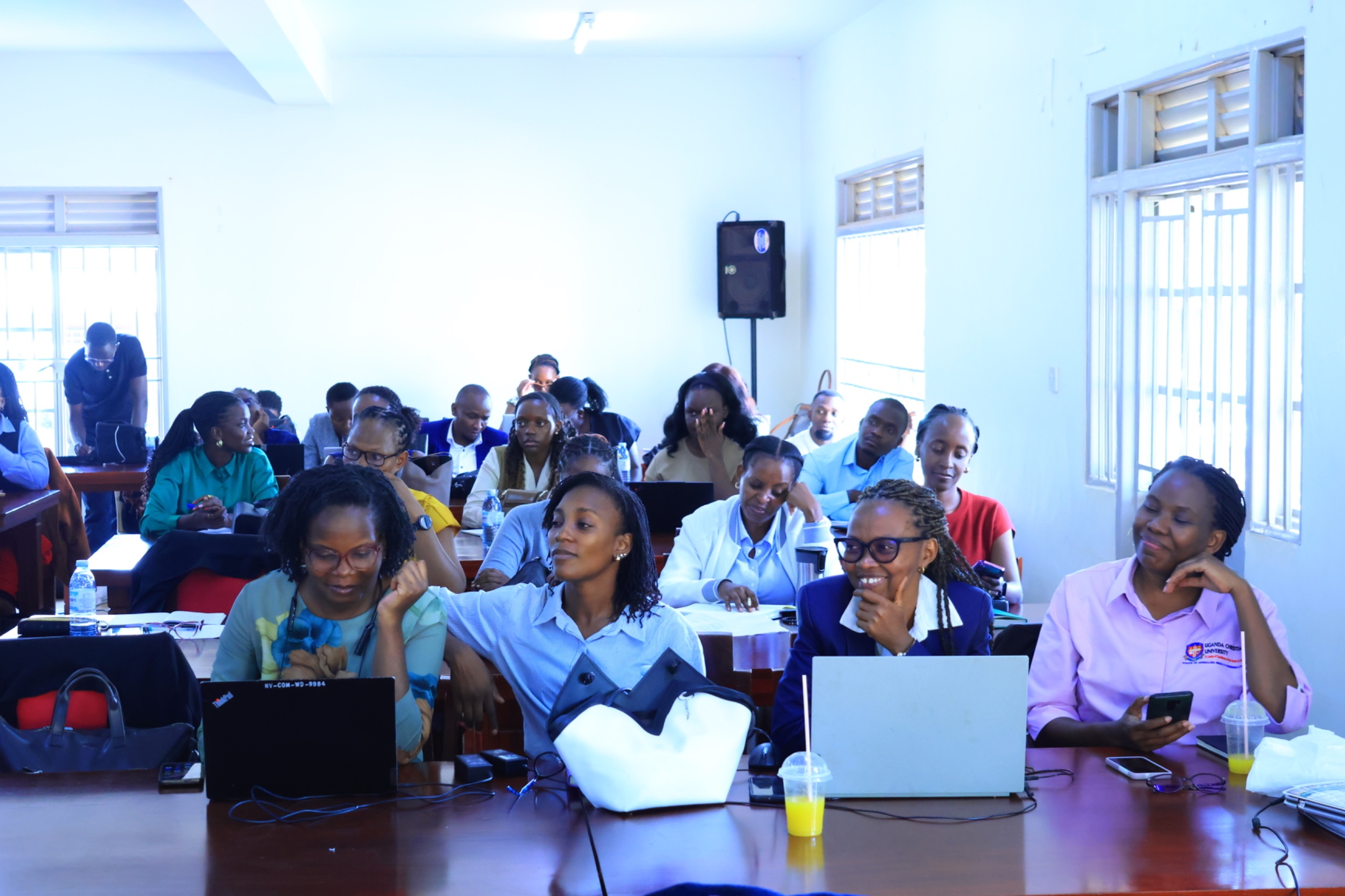
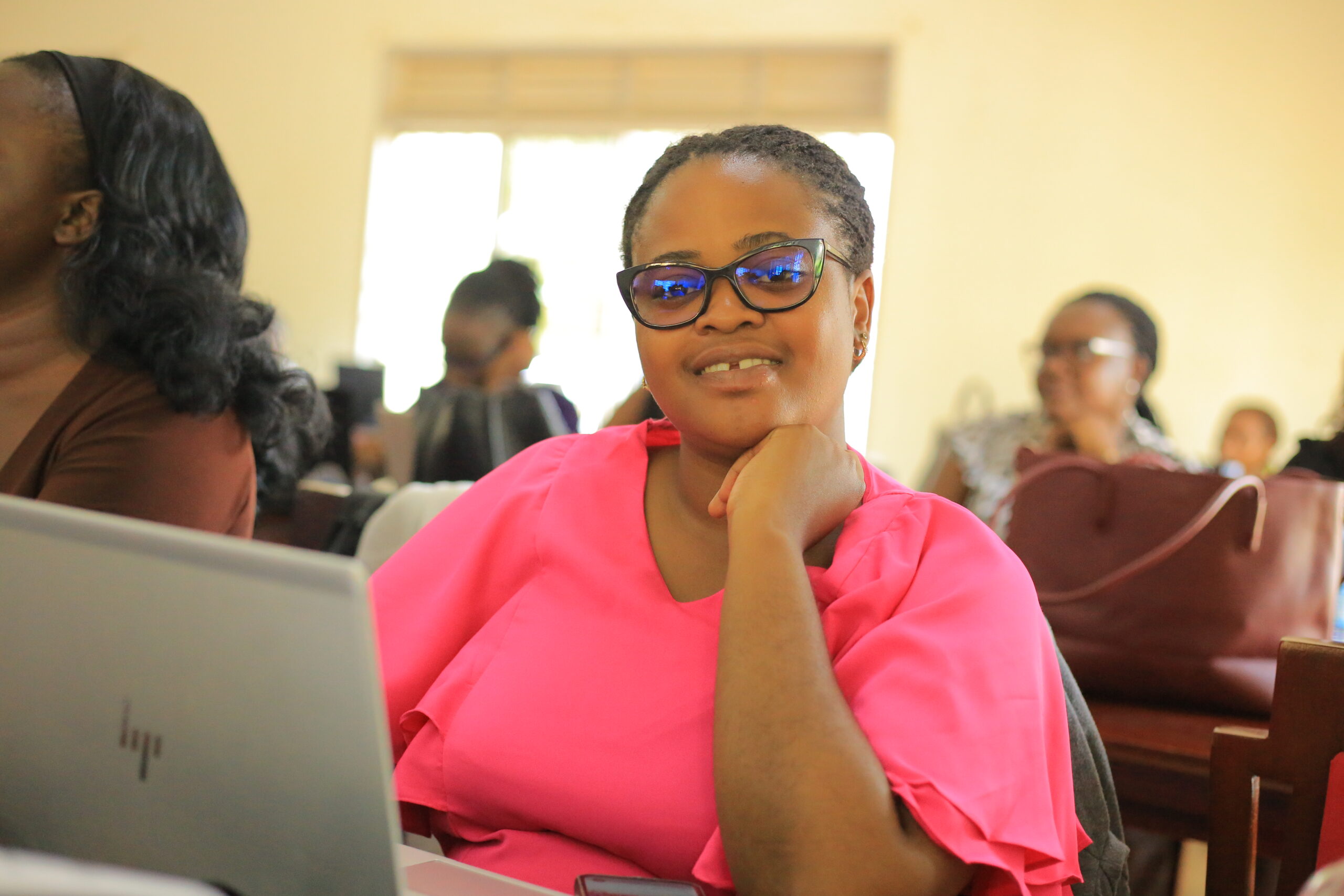
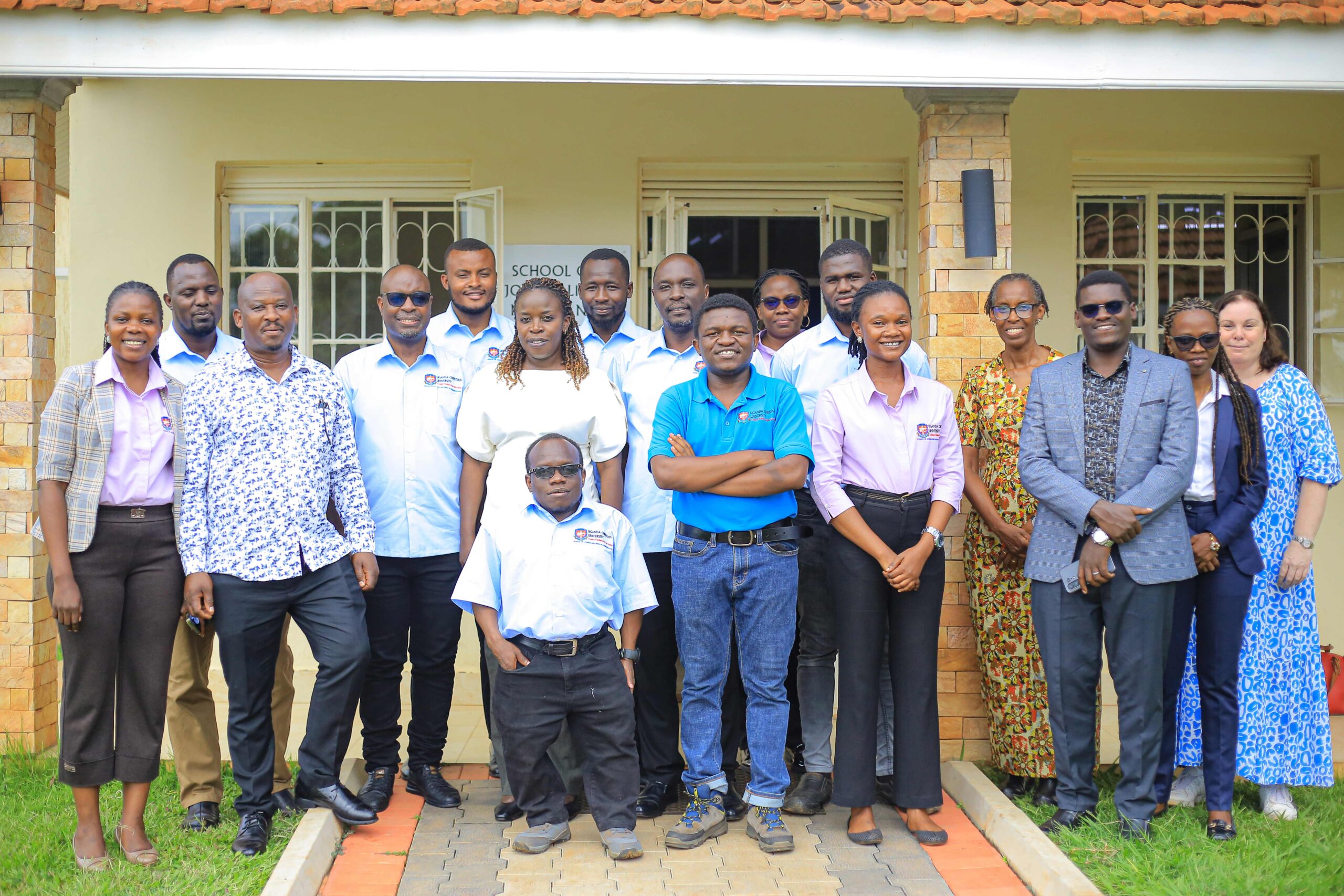
Some of the Graduate student participants at the boot camp.
Graduate Student Voices
Zippora Njeri, First-Year, PhD in Journalism, Media and Communication: “I’m grateful for this engagement, I have been encouraged just by listening to the different presentations of the experience of the people that have gone ahead of us. Also, we are evaluating our research topics, you realize much and you get an opportunity to organize and fix your topics.”
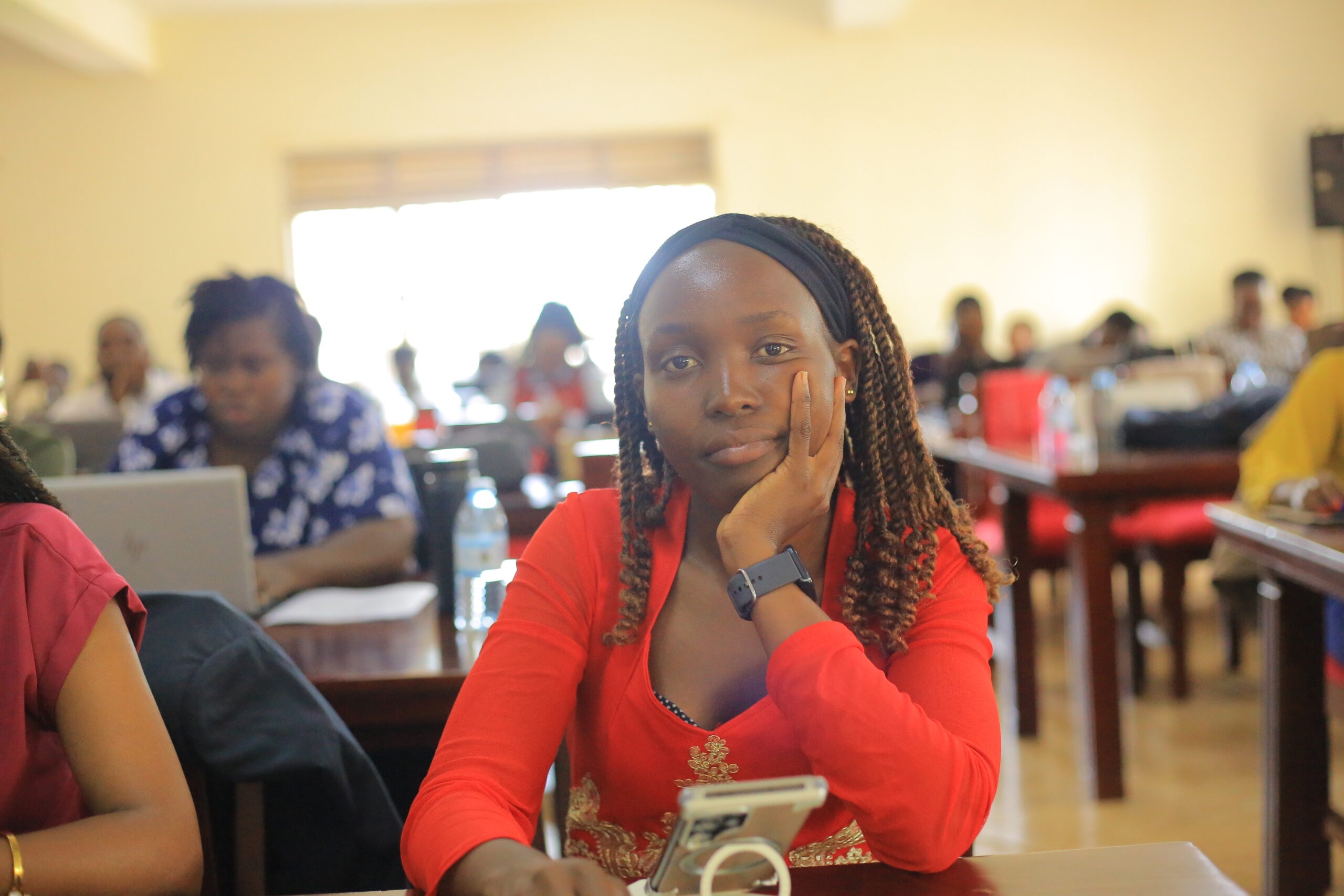
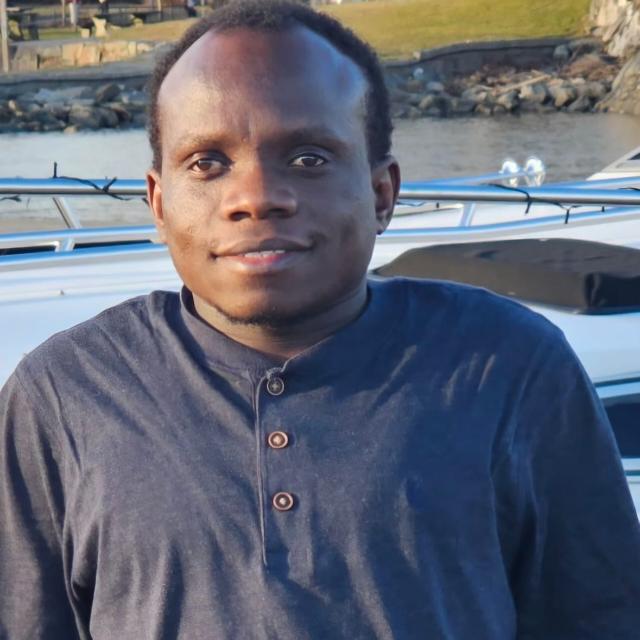
Peter Hillary Kaujju, seasoned media & communications professional and student of PhD in Journalism, Media & Communication: Great interface we’ve had in our quest for new knowledge to improve and empower our communities.”
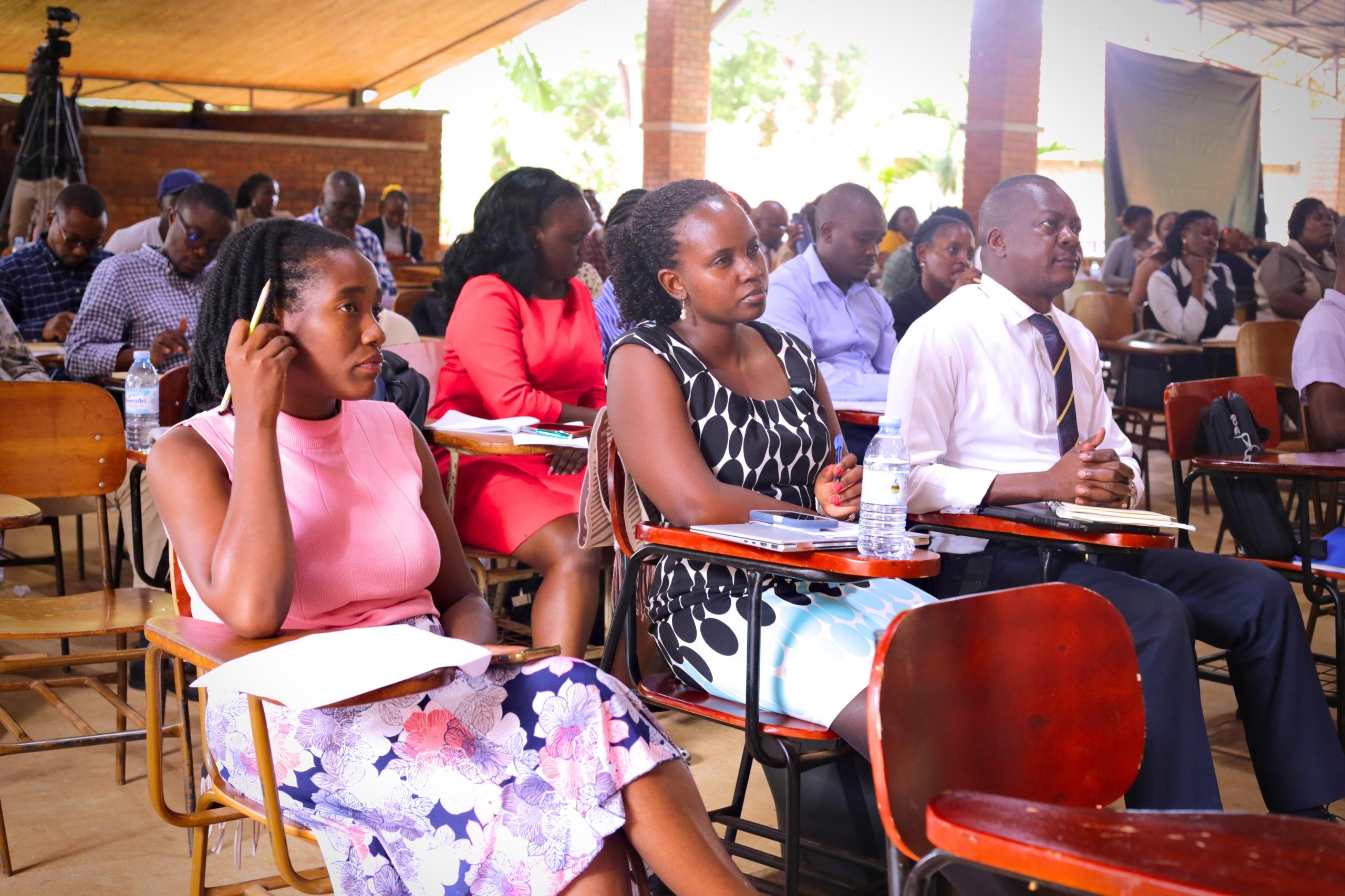
Ms. Ronah Nahabwe, Multi-media Business journalist at Nation Media Group and First-year student of Master of Arts in Journalism and Strategic Communication: This boot camp has really been enlightening and enriching in knowledge, because as I talk I don’t even have a topic yet, but I’m sure after here I’m going to develop a topic. I’ve gotten a lot in regards to concept and how to make a research proposal. It has been really, really, very insightful.
Kasango Junior Yasiri, student of MA Journalism & Strategic Communication (ABD): The boot camp has helped me think about ways on how to refocus my research, especially the literature review, especially how I should select my sources for the literature review. I have also learnt how to ethically use AI tools in my research.
Expert & Faculty Voices
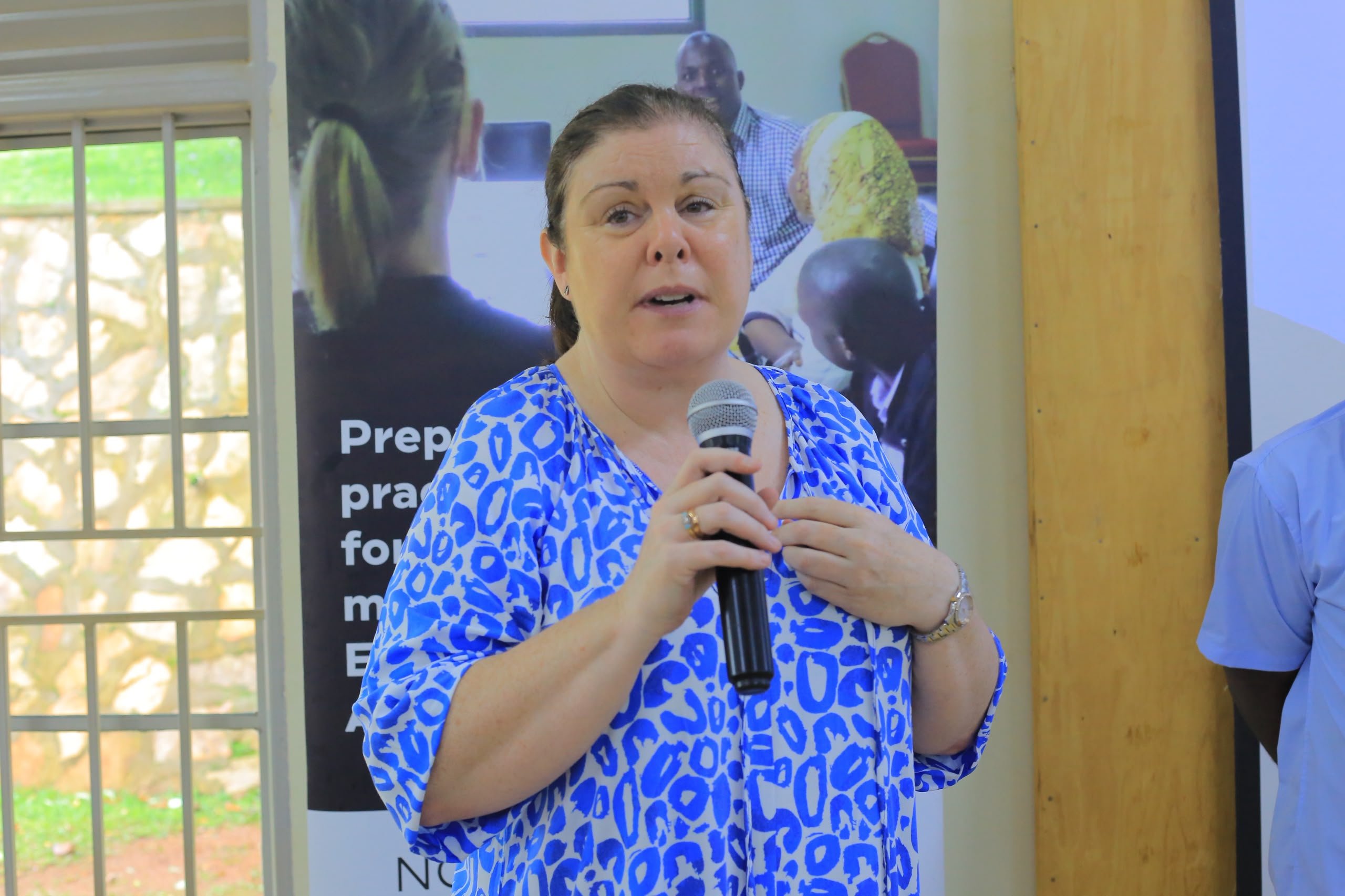
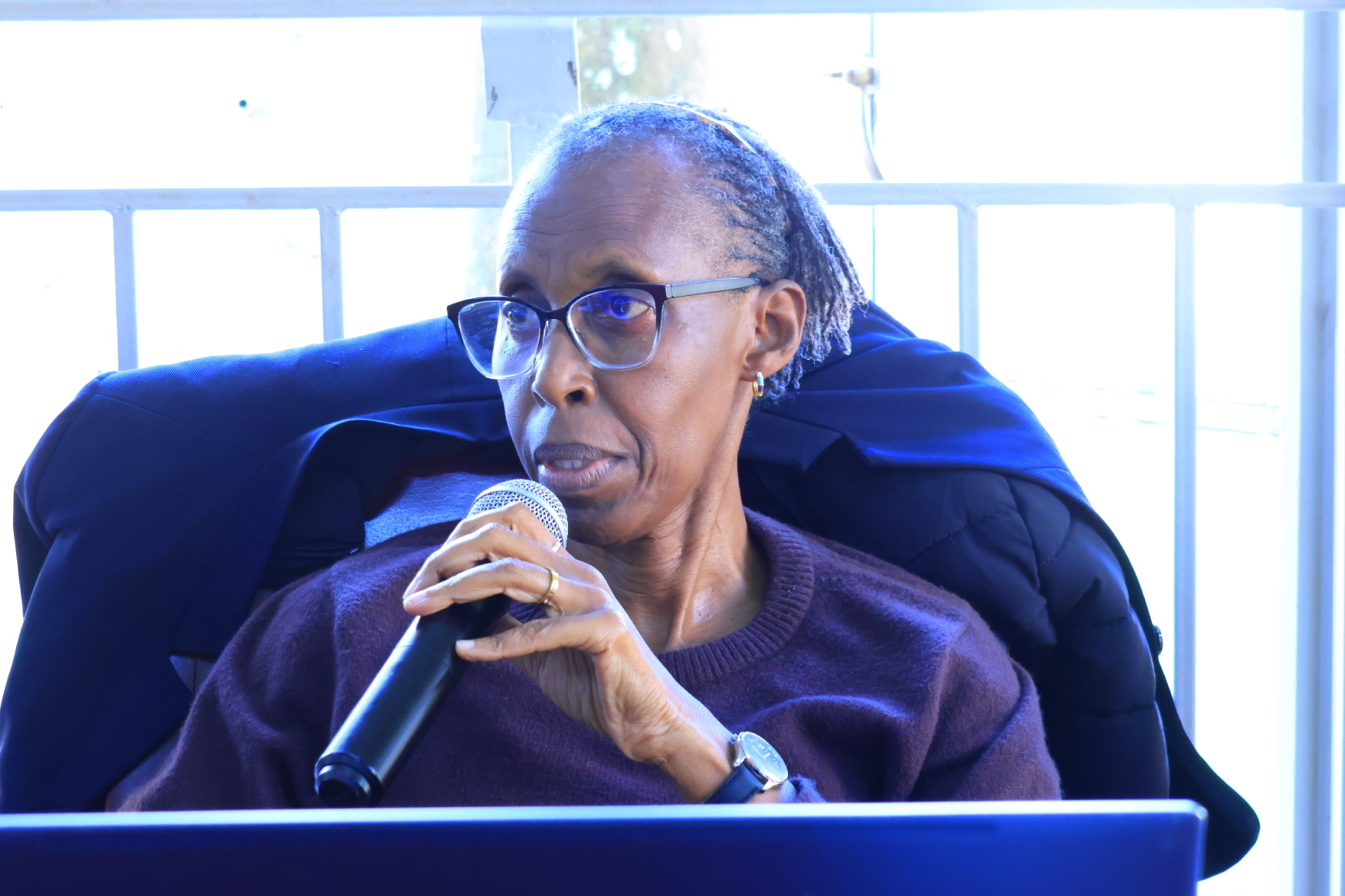
Expert contributions shaped the discussions and highlighted supportive research cultures. Associate Professor Sarah Gibson (University of KwaZulu-Natal) stressed that supervision is fundamentally communication and that students benefit from a broader community, including peers: “As a student you are not solely reliant on your supervisor; there is a whole community that even includes your peers that can help in your journey.” She also encouraged participants to edit their own work thoroughly before submission.
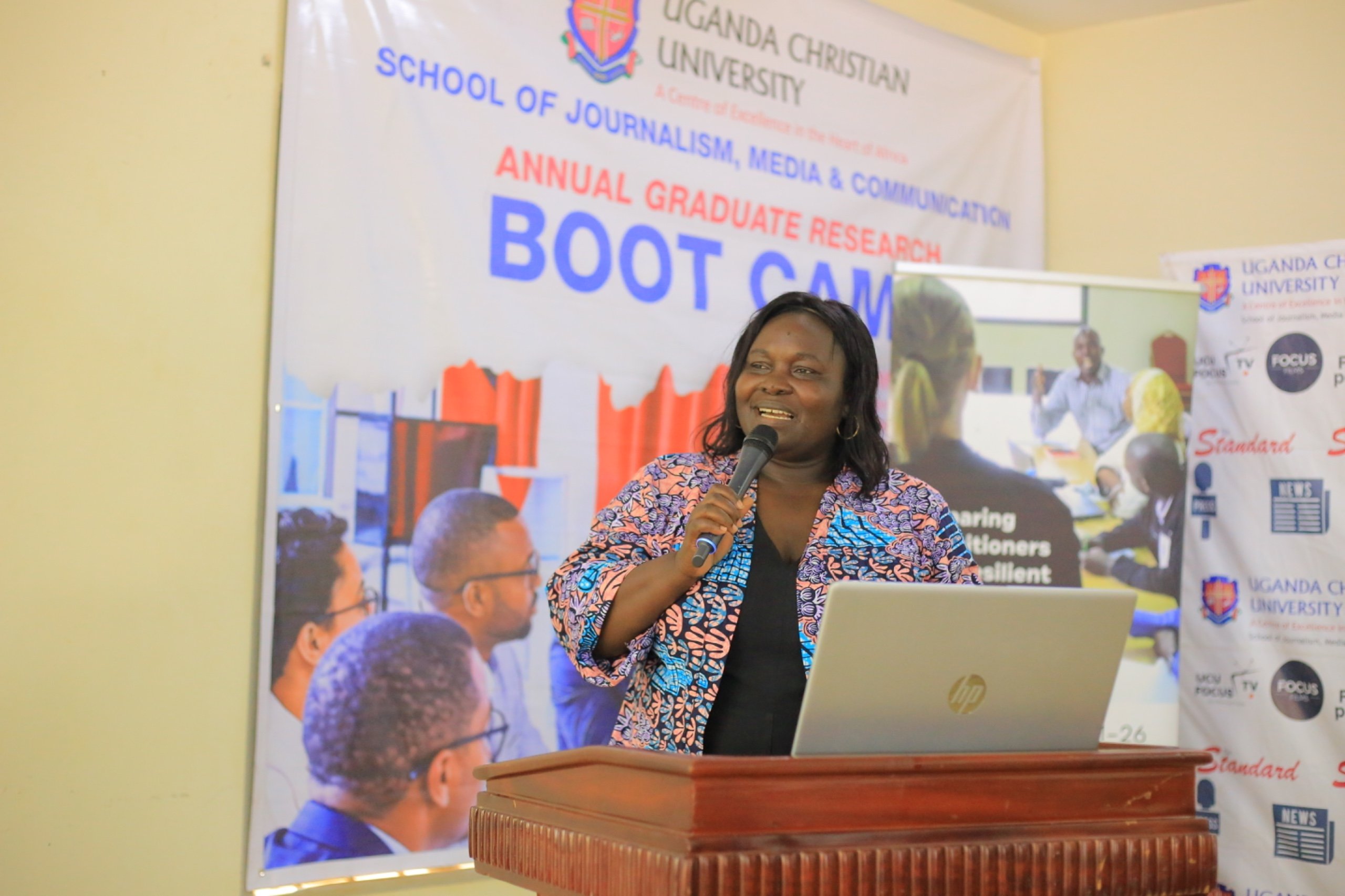
Associate Professor of Media Studies at UCU, Emilly Comfort Maractho, emphasized qualitative methods: “Qualitative research helps you understand the why behind what you’re studying; the reasons, motivations, and context that numbers alone can’t reveal.”
Dr Samuel Kazibwe, a seasoned broadcaster and Senior Lecturer at UCU advised on systematic literature searching and described the boot camp as a space to share experiences and renew energy.
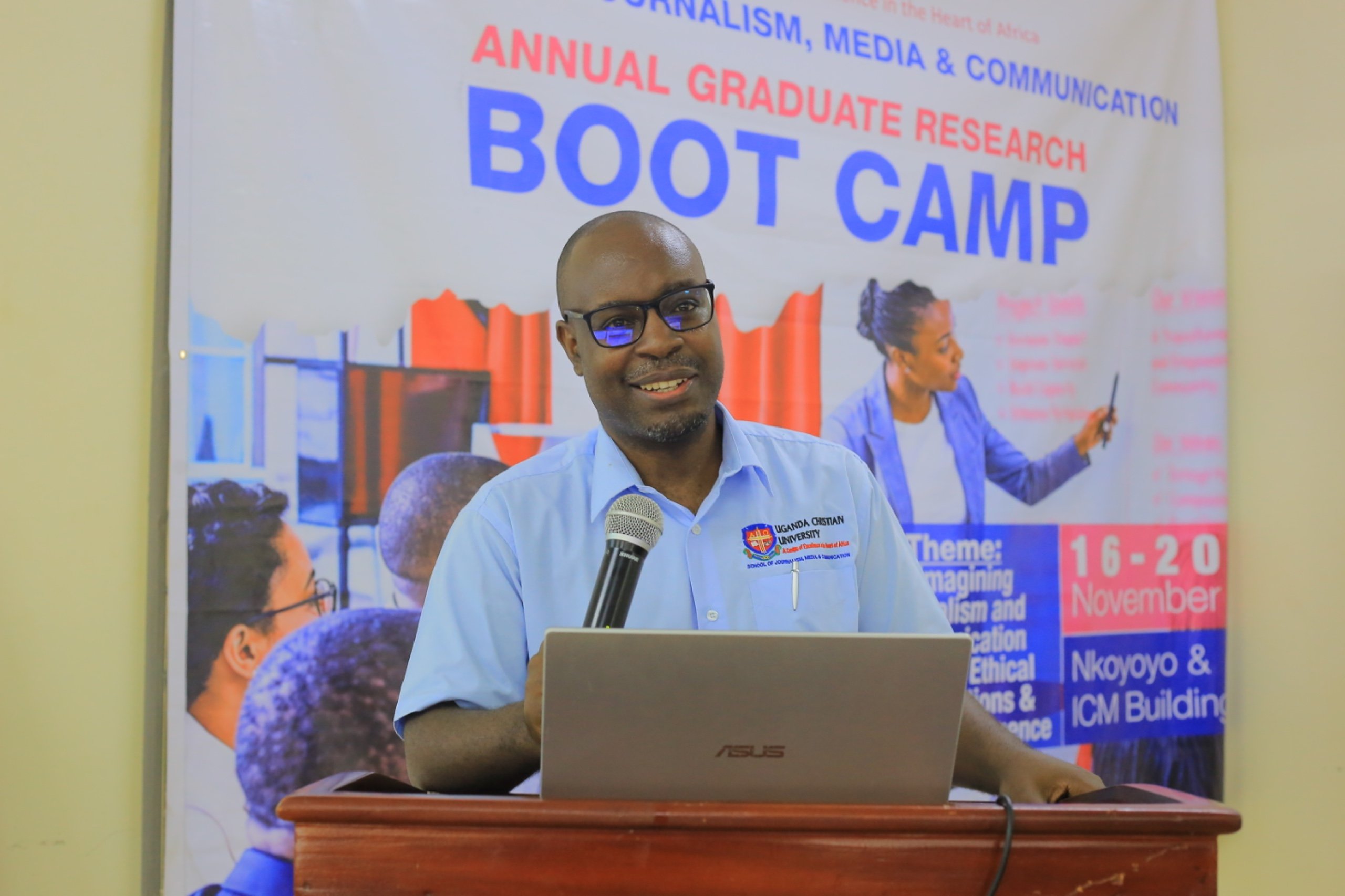
Professor Monica Chibita encouraged exploration of biblical theories in communication research, aligning with the school’s Christ-centered foundation, while Dr Odette Mpungirehe (University of Rwanda) offered concrete tips for successful concept and proposal presentations.
Background
The School of Journalism, Media and Communication has since 2002 established strength as a leading trainer of media professionals in Uganda. Rooted in UCU’s mission to equip students for productive, holistic lives of Christian faith and service, the school combines ethical formation with practical excellence.
Now led by the Professor James Kiwanuka-Tondo, Dean, the school offers programmes from diploma through to PhD levels, supported by modern studios, a dedicated school building, student platforms such as The Standard newspaper and UCU Focus TV, and international partnerships with institutions in South Africa, Rwanda, and Norway.
Recent student achievements, including strong performances in continental contests that recognise radio, television, and AI-related work; demonstrate the outcomes of this approach. Graduates leave equipped with technical skills, research capability, and values of integrity and servanthood suited to leadership roles across media, communication, and related fields.
Competence-Based Education and Training (CBET)
As Uganda’s higher education sector prepares for the national shift to Competence-Based Education and Training (CBET) by the 2027/28 academic year, the boot camp, among other ongoing initiatives by the SJMC illustrate how targeted research training strengthens both individual scholarship and institutional readiness.
The National Council for Higher Education has directed all higher education institutions to align programmes with Competence-Based Education and Training (CBET) curriculum for the 2027/28 intake, emphasising practical skills, continuous assessment, workplace readiness, and real-world application over purely content-driven models.
Research training of the kind offered here; focused on ethical AI use, proposal development, literature synthesis, data handling, and collaborative problem-solving; directly supports this shift. By investing in such experiences, UCU ensure that its journalism, media, and communication graduates can demonstrate the competencies expected under the new framework and contribute meaningfully to Uganda’s media landscape.
The research boot camp thus serves as both an immediate capacity-building exercise and a forward-looking model. Its timing coincides with a week-long curriculum re-imagination workshop bringing together UCU top management staff in preparation to transition to the CBET curriculum by 2027.
Compiled by Jimmy Siyasa