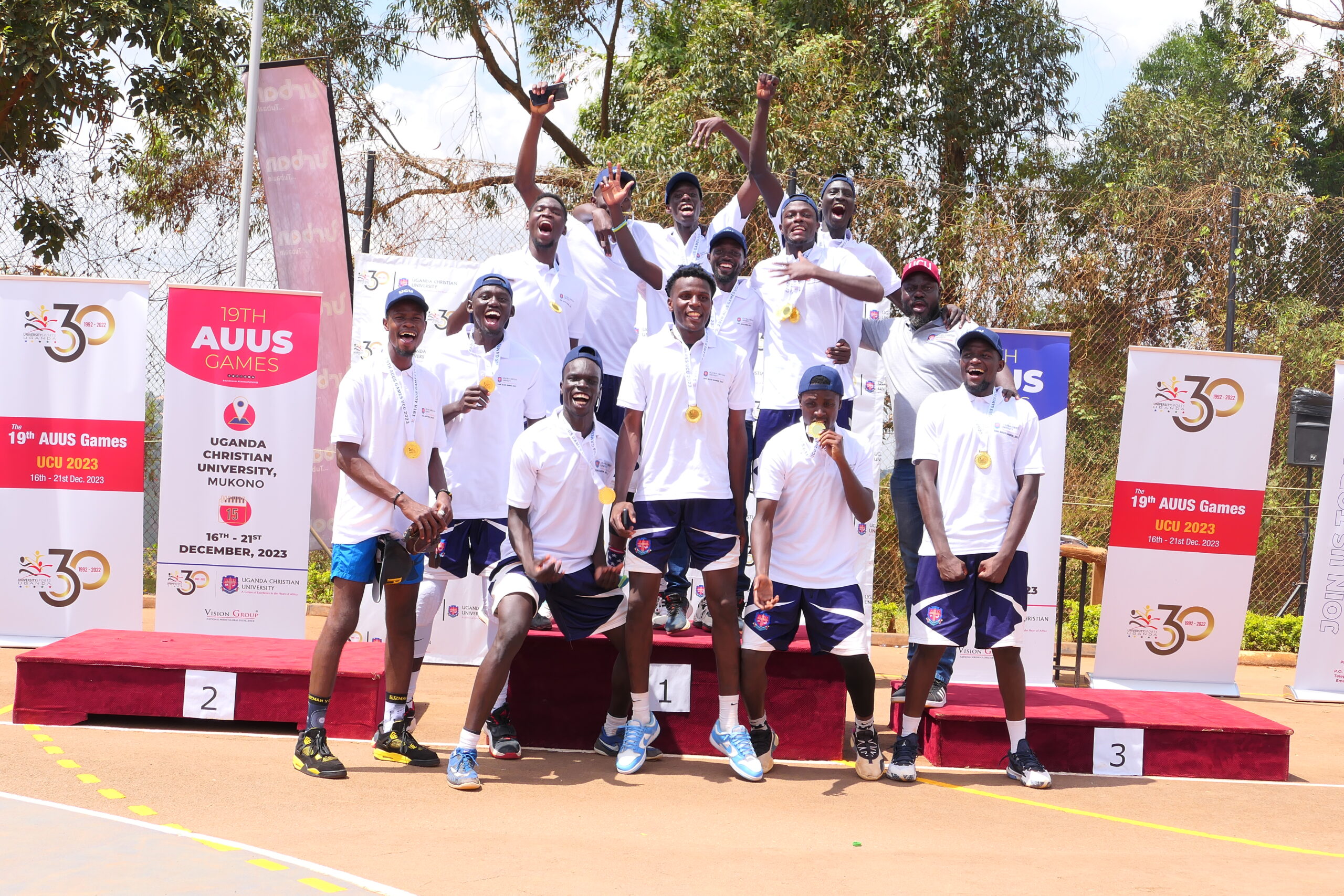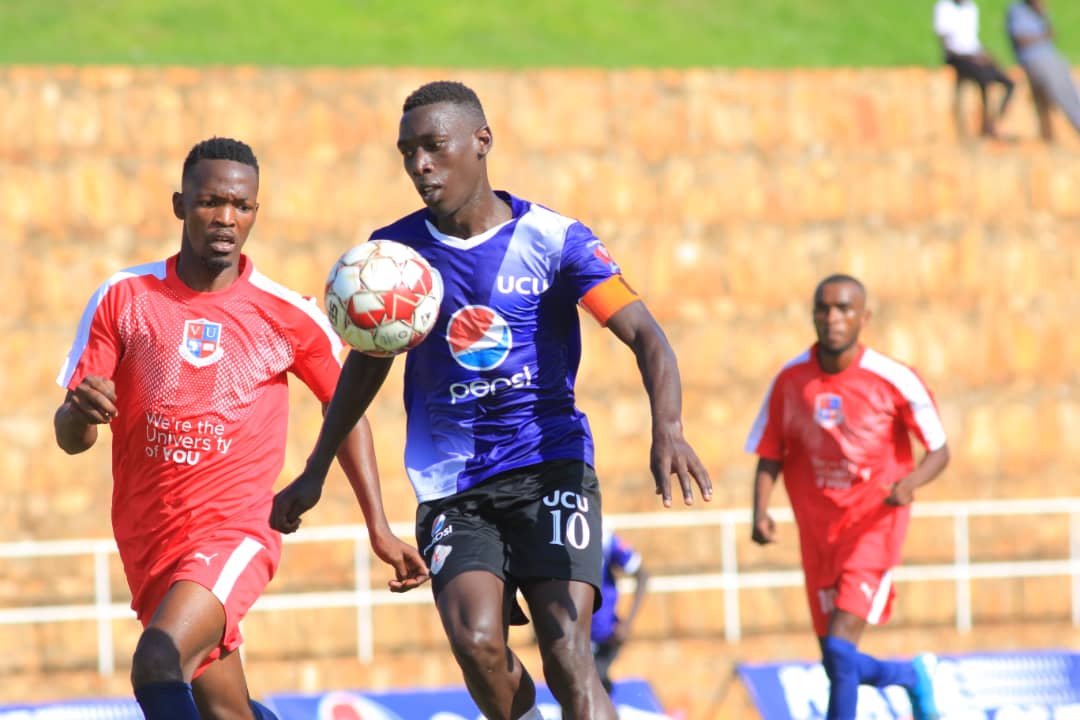
UCU to host AUUS Games 16th Dec 2023
Uganda Christian University (UCU) has expressed readiness to host Inter-University games that will

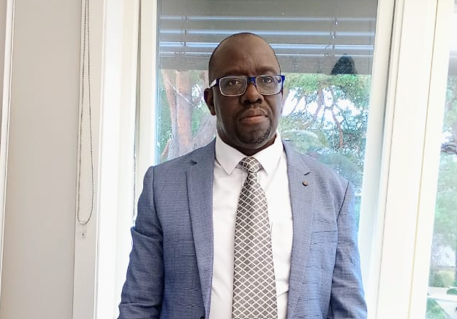
By Dr. Richard Sebaggala
In April 2022, I embarked on a new chapter, leaving Uganda for Norway to begin my PhD studies. My emotions were a mix of excitement and deep humility. Before this opportunity, Uganda Christian University (UCU) had already supported me financially through its Staff Development Committee to pursue my PhD at a local university for one year. However, I became increasingly frustrated with the pace and progress at that institution.
After several unsuccessful attempts to secure placement abroad, I had lost hope in foreign universities and decided to seek a better alternative locally. It was in this moment of discouragement that the opportunity with the University of Agder came unexpectedly, and it reignited my hope and commitment. UCU then generously granted me half-pay study leave during a difficult post-COVID recovery period, reflecting their strong confidence in my academic potential. I fully understood the weight of this opportunity, and I was determined not to let it go to waste.
However, life, in its unpredictable nature, soon tested me in ways I could never have imagined. Just four months into my program, I experienced the devastating loss of my beloved son, Reuben. The grief was overwhelming and deeply destabilizing—emotionally, spiritually, and academically. There were days when even thinking clearly, let alone writing, felt impossible. It took me a long and painful seven months to begin healing and return to Norway to continue my studies.
Amid this darkness, one verse became my anchor: Luke 12:48 – “To whom much is given, much will be required.” This scripture reminded me constantly that the scholarship I had received, the institutional support I was afforded, and the time I had been given were not merely opportunities for personal advancement. They were sacred responsibilities. Though I was grieving, I could not allow that pain to extinguish my purpose.
Today, I am deeply grateful to share that my PhD thesis, “Essays on Econometric Analysis of Disability-Inclusive Savings Groups,” has been approved for defense. This research, consisting of five co-authored papers, explores the financial and social dynamics of inclusive savings models serving persons with disabilities in Uganda. Remarkably, I completed all my research requirements seven months ahead of schedule, a pace my supervisors have described as record-setting.
This achievement was not the result of intellect alone. It was made possible by four key foundations:
To fellow scholars in African universities, particularly those receiving support from their institutions, I offer this reflection: the PhD journey is difficult, and life does not pause simply because you are pursuing a degree. But it is possible to finish and to finish well. You do not need perfect conditions. What you need is a clear purpose, self-discipline, and grace.
If your institution, your family, or your community has invested in your education, remember this: to whom much is given, much is expected. Let your success be a meaningful return on the trust and resources others have poured into you. Let your research become a gift to the communities it seeks to serve.
Together, let us raise a new generation of African scholars who not only start their PhD journeys but finish them with impact, with excellence, and with lasting purpose.
Uganda Christian University (UCU) has expressed readiness to host Inter-University games that will
Renowned for its research excellence, the Uganda Christian University (UCU) Faculty of Agricultural
Home Students Research Academics About Us Contact Us X UCU student narrates journey
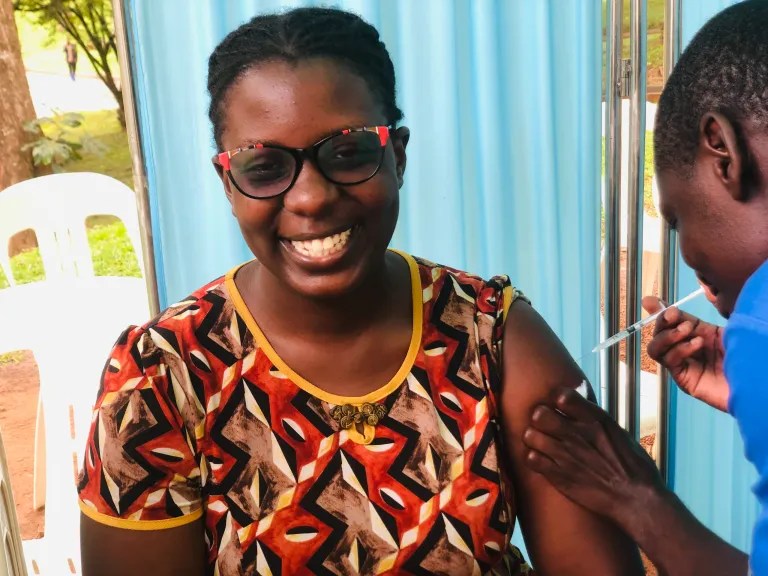
UCU engaged in phase 2 of Uganda’s yellow fever vaccination campaign By Irene