
UCU to host AUUS Games 16th Dec 2023
Uganda Christian University (UCU) has expressed readiness to host Inter-University games that will


Mr. Isaac Senda – PI
Dr. Edward K. Mukooza – Co-PI
Maternal psychological well-being significantly impacts child development, family dynamics, and community stability. In rural Uganda, adolescent and adult mothers face unique challenges, yet limited research exists on their psychological well-being beyond the perinatal period. This study assessed maternal psychological well-being and associated factors among mothers in Malongo Sub-County, Mayuge District. A cross-sectional survey of 356 mothers aged 10–49 years was conducted using Ryff’s 42-item Psychological Well-Being Scale. Data were analyzed via descriptive statistics, chi-square tests, and ordered logistic regression. Majority of the mothers [69.1%] had moderate psychological distress and 16.6 had severe distress. The prevalence of adolescent motherhood was 20.2%. Adult mothers reported better well-being than adolescents [19.7% vs. 7.8% with no distress, *p* = 0.024]. Key predictors of well-being included higher education [OR = 2.40, *p* = 0.036], monogamous marriage [OR = 2.30, *p* = 0.053], and social support [OR = 1.35, *p* = 0.013]. Poverty [45.4%] and early marriage [38.2% at age 10–19] were primary risk factors.
Conclusion: Targeted interventions addressing education, economic empowerment, and community support are urgently needed to improve maternal mental health in rural Uganda.
Uganda Christian University (UCU) has expressed readiness to host Inter-University games that will
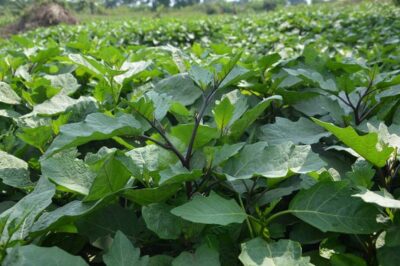
Renowned for its research excellence, the Uganda Christian University (UCU) Faculty of Agricultural

Home Students Research Academics About Us Contact Us X UCU student narrates journey

UCU engaged in phase 2 of Uganda’s yellow fever vaccination campaign By Irene