
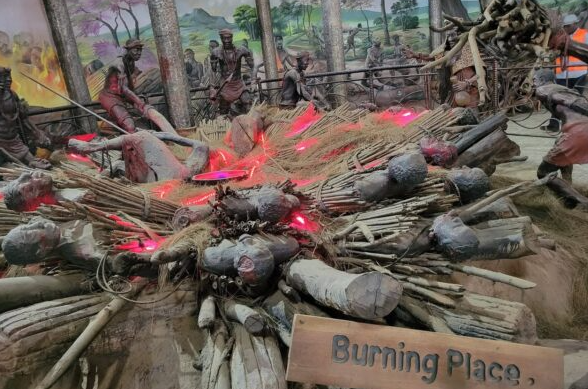
CHAPTER 1 | THE KINGDOM OF BUGANDA — SETTING THE STAGE
In the nineteenth century, the Kingdom of...
Read More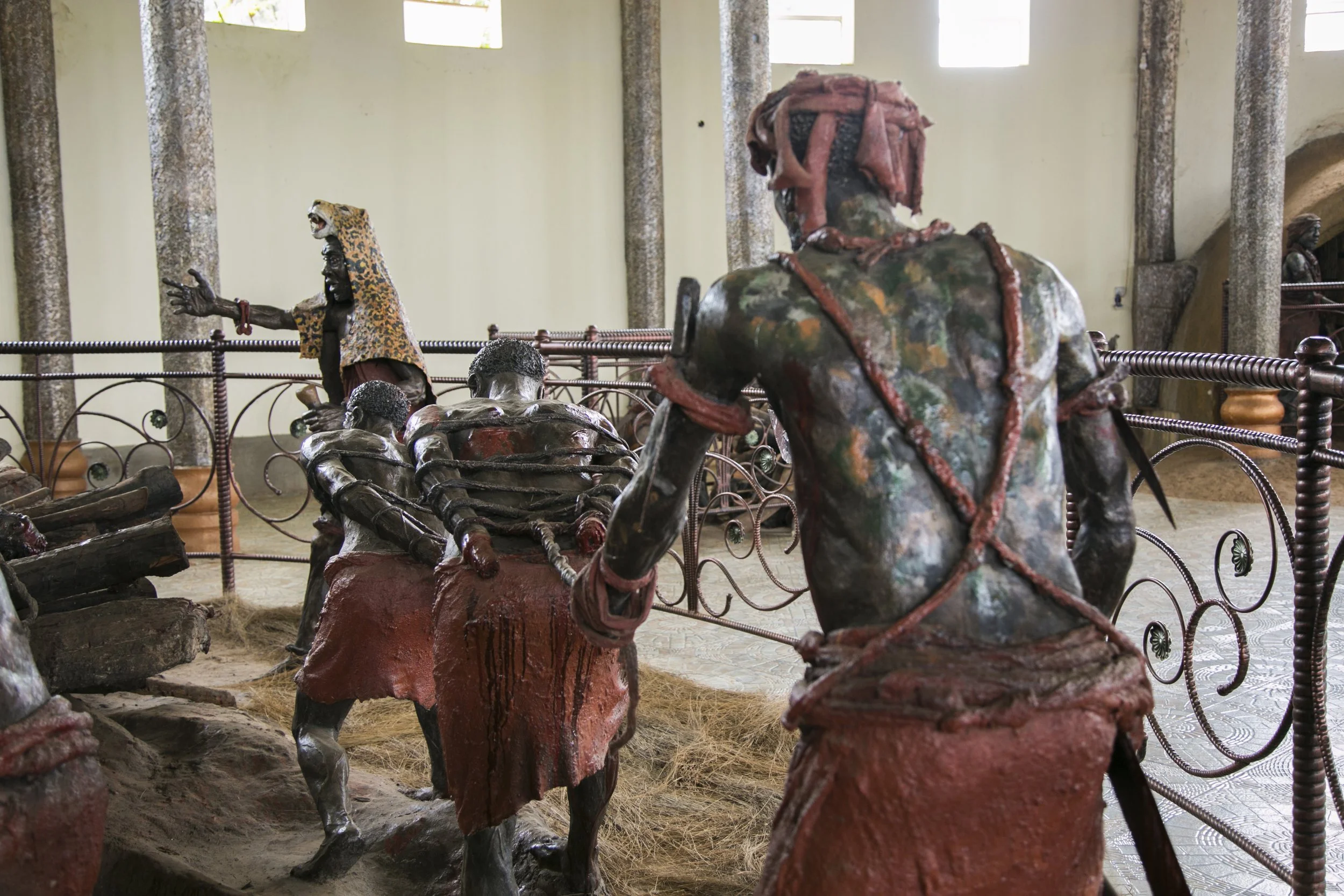
CHAPTER 2 | KABAKA MWANGA II — THE KING AT THE CENTRE OF THE STORM
Danieri Basamula-Ekkere Mwanga II was born.
Read More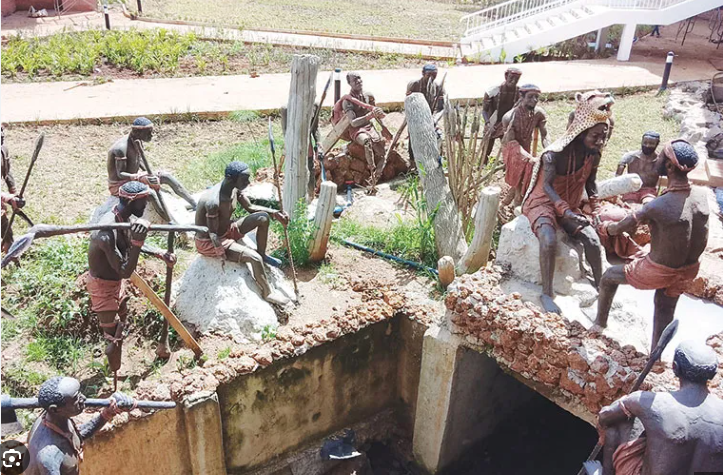
CHAPTER 3 | THE FIRST BLOOD — JOSEPH MUKASA BALIKUDDEMBE
The formal persecutions began on 15th November 1885. On that day...
Read More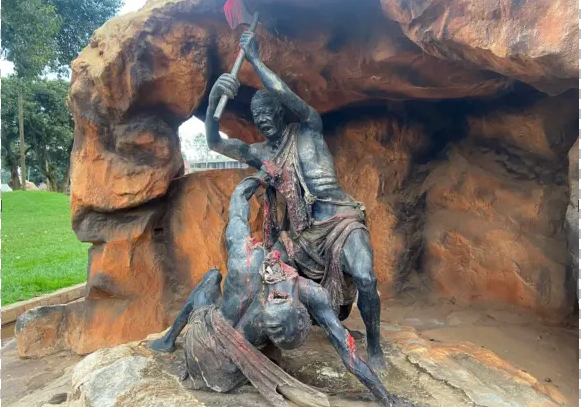
CHAPTER 4 | THE GATHERING STORM — MAY 1886
After the execution of Joseph Mukasa Balikuddembe, Charles Lwanga a young man of extraordinary.
Read More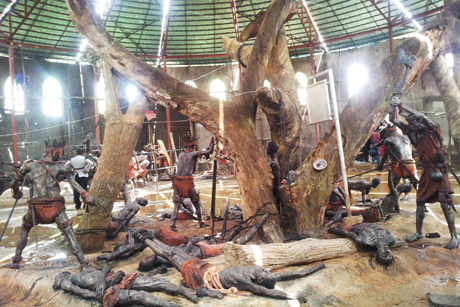
CHAPTER 5 | THE DEATH MARCH — THE JOURNEY TO NAMUGONGO
What followed on 26th May 1886 was one of...
Read More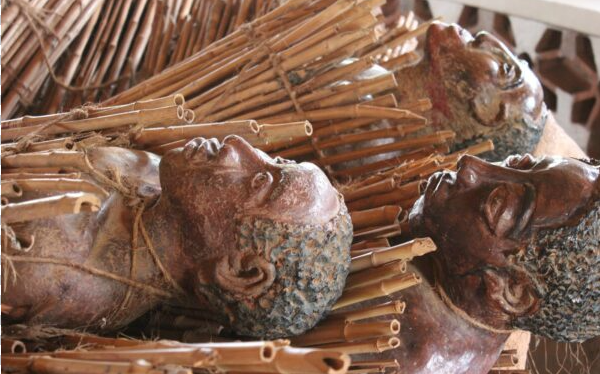
CHAPTER 6 | EIGHT DAYS AT NAMUGONGO WAITING TO DIE
The surviving prisoners arrived at Namugongo on 27th May 1886, exhausted, bound...
Read More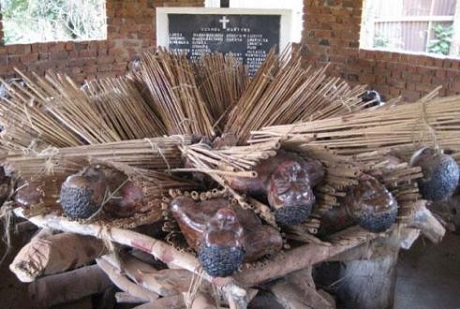
CHAPTER 7 | 3RD JUNE 1886 — THE DAY THE FIRE WAS LIT
The day arrived on June 3rd, 1886 — the Feast of the Ascension in the Christian calendar.
Read More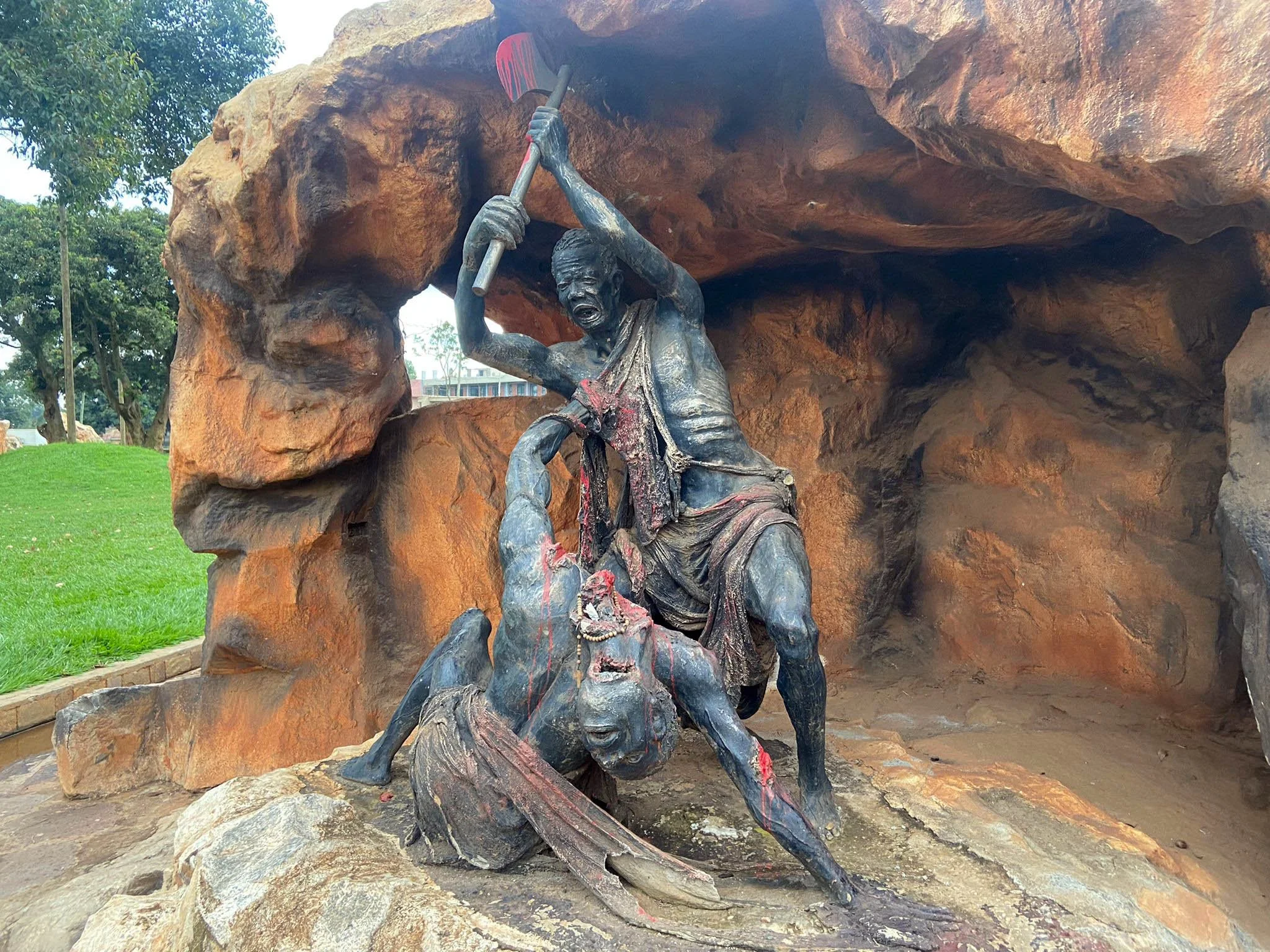
CHAPTER 8 | THE TWENTY-THREE ANGLICAN MARTYRS — A COMPLETE RECORD
The twenty-three Anglican (Protestant) Uganda Martyrs are commemorated alongside...
Read More
CHAPTER 9 | NAMUGONGO TODAY — THE SACRED SITES AND THEIR MEANING
Today, Namugongo is one of the most visited religious pilgrimage sites on the African continent.
Read More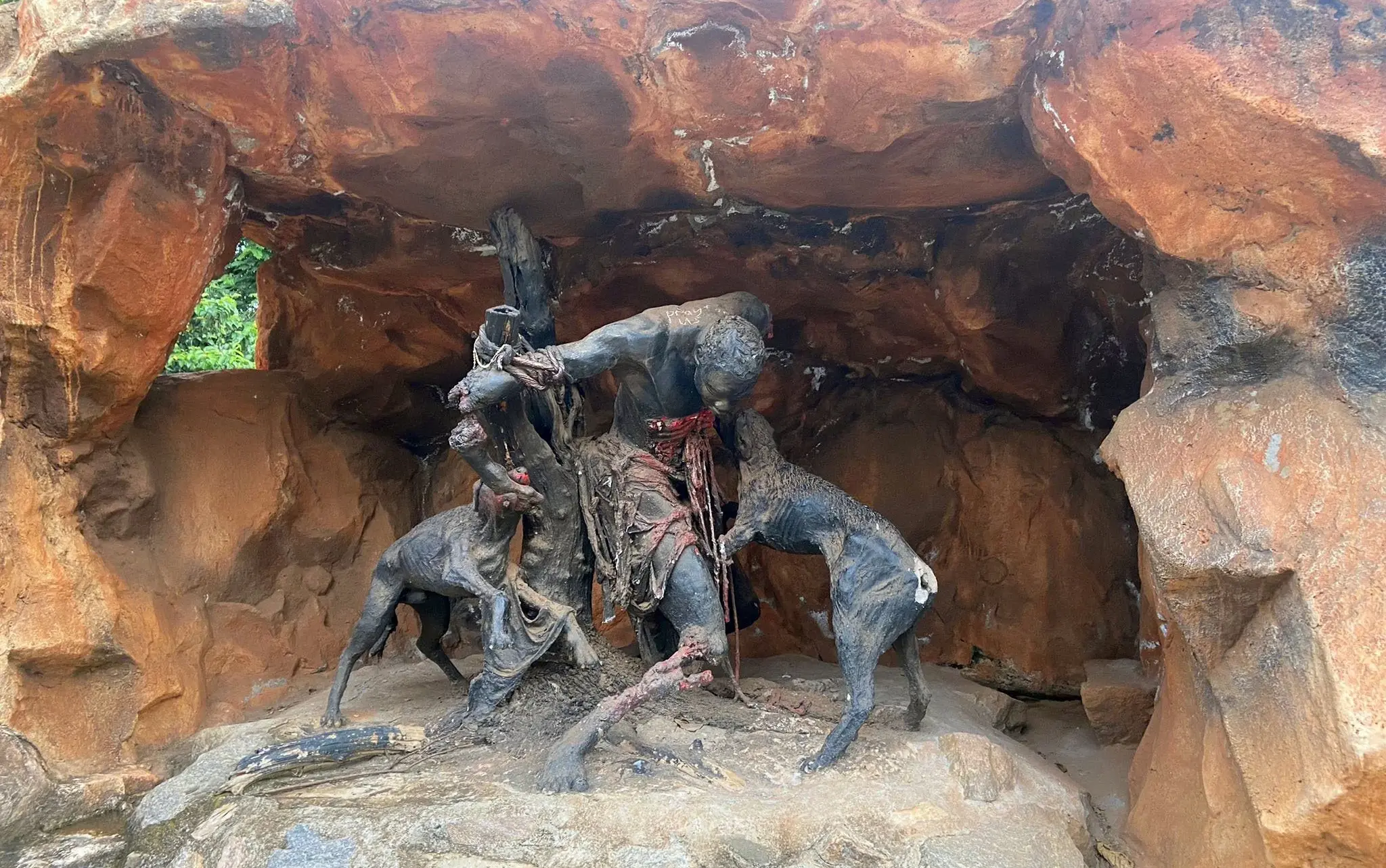
CHAPTER 10 | LEGACY — FROM THE FIRE TO THE GLOBAL STAGE
The immediate effect of the executions was perhaps not what Mwanga intended. Rather...
Read More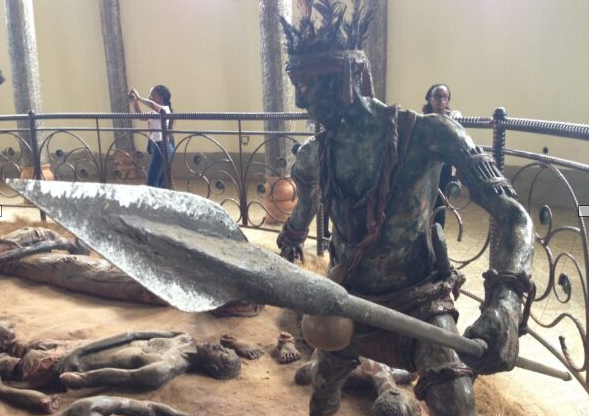
CHAPTER 11 | CHRIST OUR PEACE — THE MARTYRS AND UGANDA TODAY
The theme chosen by Uganda Christian University for the 2026 Uganda Martyrs Day celebrations...
Read More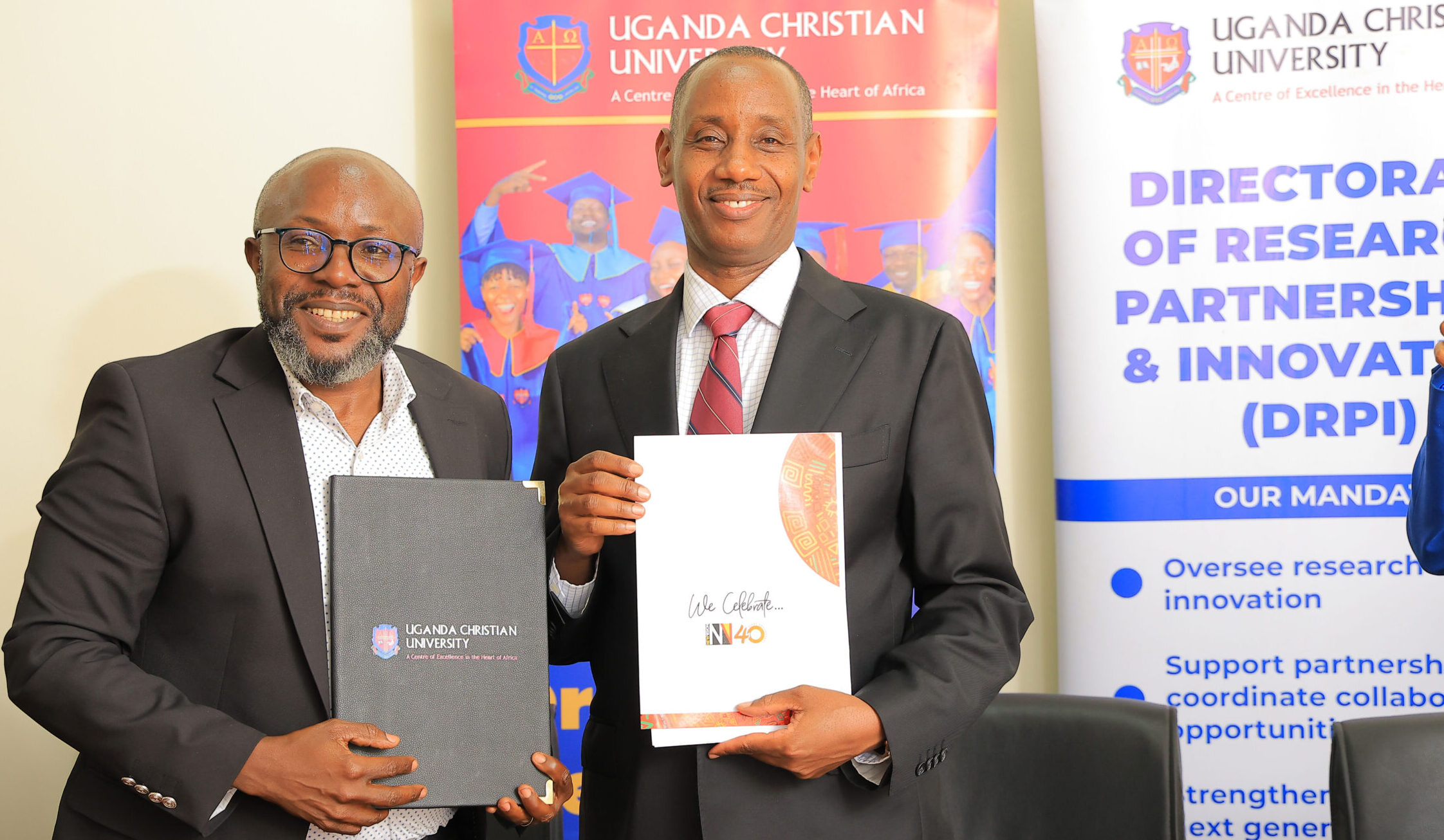
UCU VISION GROUP SIGN PARTNERSHIP AGREEMENT
Uganda Christian University (UCU) has signed a partnership agreement with Vision Group, Uganda’s largest media conglomerate, naming it the lead media partner for the 2026 Uganda Martyrs Day celebrations at the Anglican Shrine in Namugongo....
Read More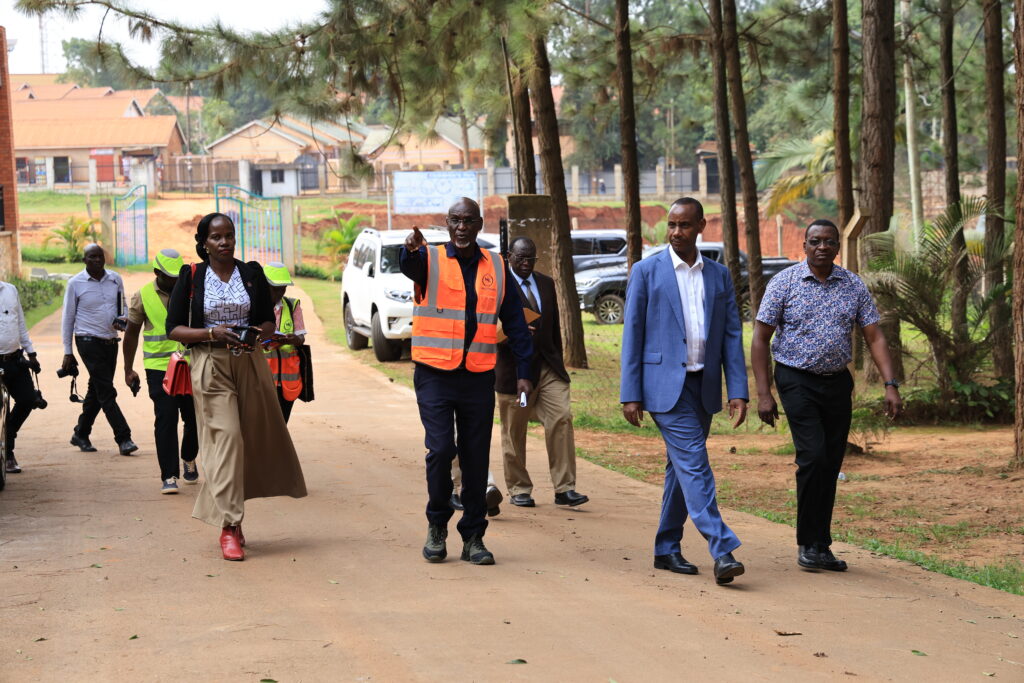
UCU INTENSIFIES PREPARATIONS FOR 2026 UGANDA MARTYRS' DAY
Uganda Christian University (UCU) has officially stepped up preparations for the 2026 Uganda Martyrs’ Day, following a high-level planning meeting held at the Anglican Shrine in Namugongo on March 17..
Read More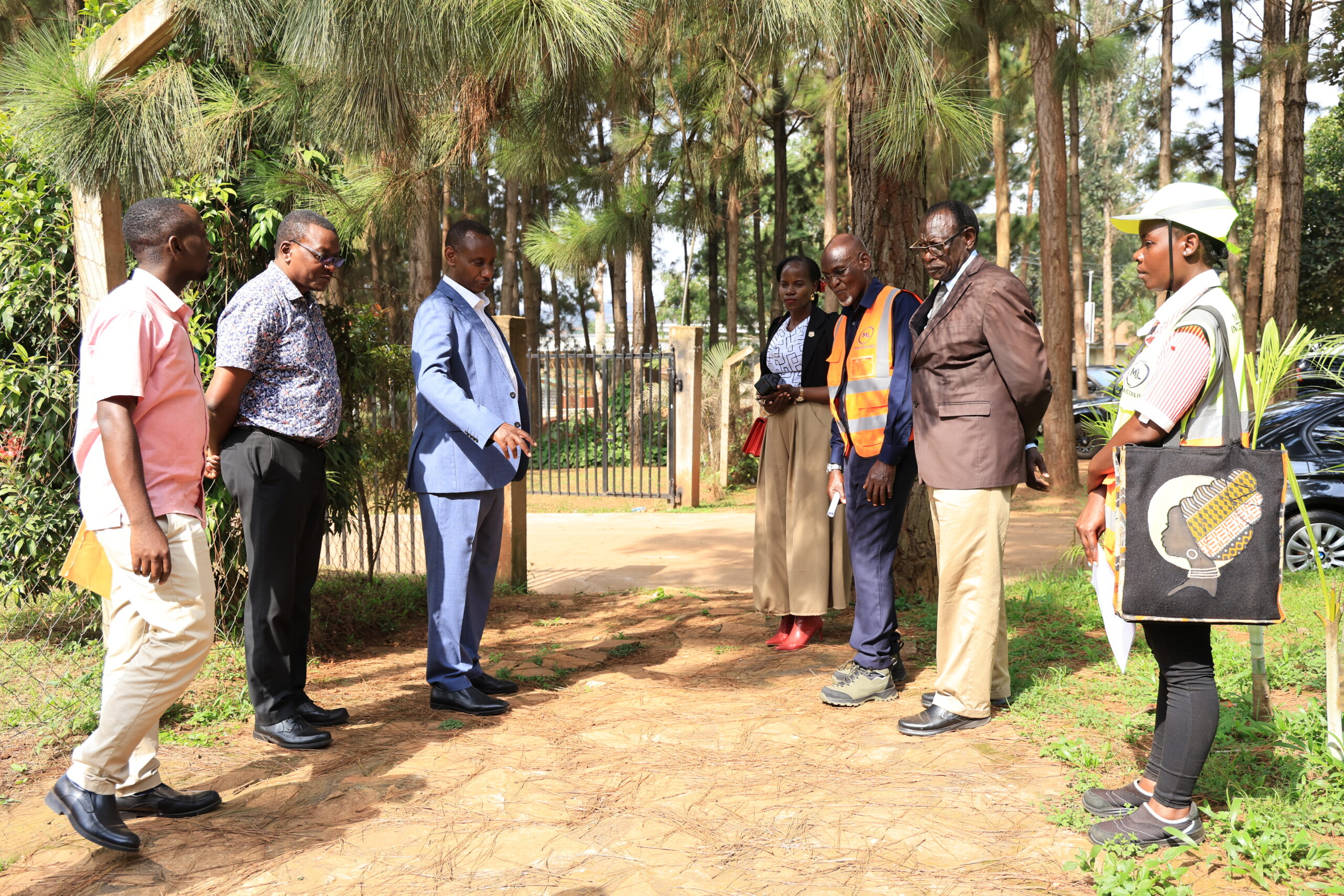
UCU LEADS PLANNING AND EXECUTION FOR 2026 UGANDA MARTYRS DAY CELEBRATIONS
Uganda Christian University (UCU) is leading the planning and execution of activities of the 2026 Uganda Martyrs Day celebrations, reaffirming its commitment to faith, heritage, and national service.y...
Read More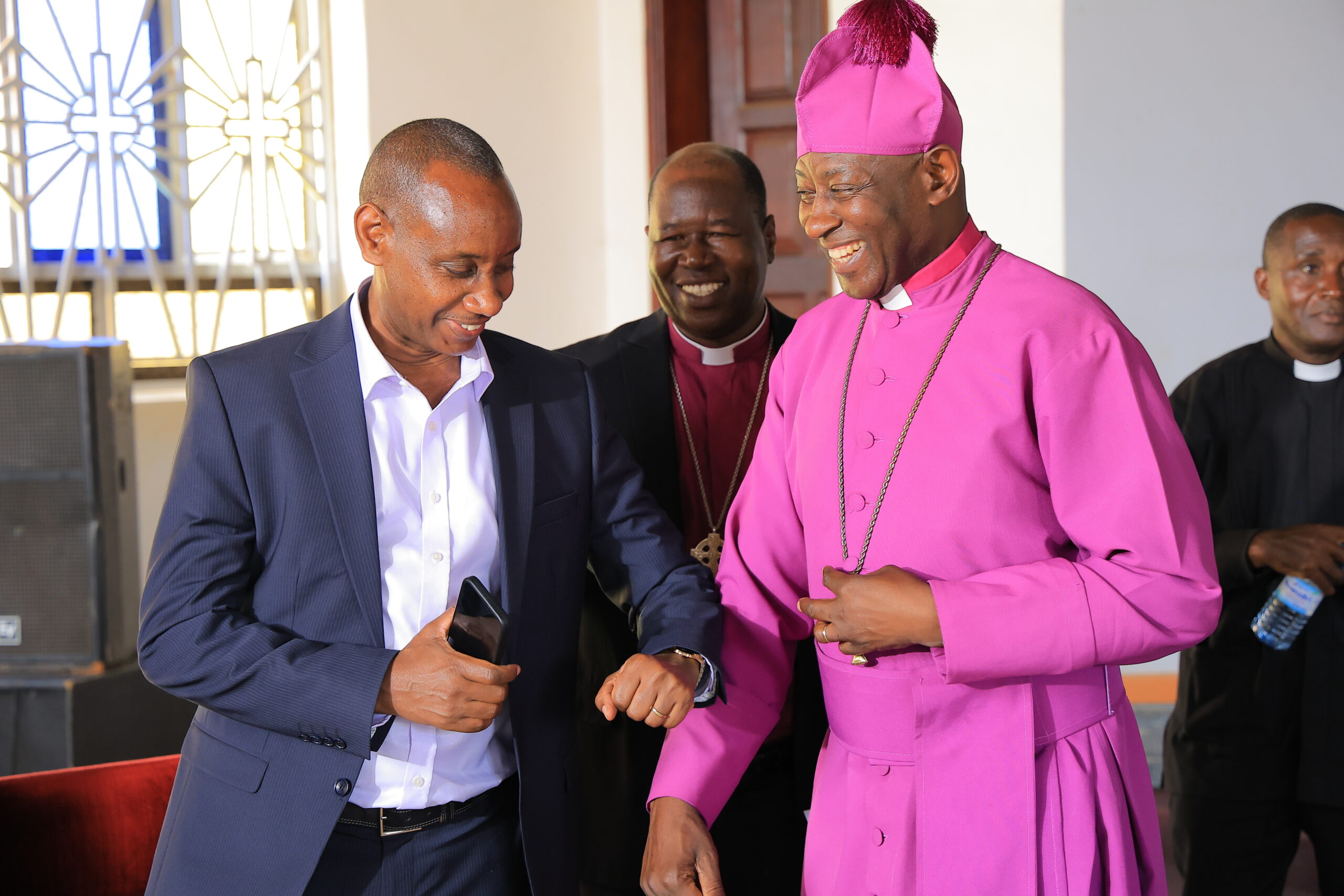
“Finish the Good Work”: Archbishop Hands UCU the Mantle for 2027 Martyrs’ Day, Lauds Renovations
The Archbishop of the Church of Uganda, His Grace The Most Rev. Dr. Stephen Samuel Kaziimba Mugalu, has officially received the completed renovation and construction projects undertaken by Uganda Christian University (UCU)
Read More
CHAPTER 5 | THE DEATH MARCH — THE JOURNEY TO NAMUGONGO
What followed on 26th May 1886 was one of...
Read More
CHAPTER 6 | EIGHT DAYS AT NAMUGONGO WAITING TO DIE
The surviving prisoners arrived at Namugongo on 27th May 1886, exhausted, bound...
Read More
CHAPTER 7 | 3RD JUNE 1886 — THE DAY THE FIRE WAS LIT
The day arrived on June 3rd, 1886 — the Feast of the Ascension in the Christian calendar.
Read More
CHAPTER 8 | THE TWENTY-THREE ANGLICAN MARTYRS — A COMPLETE RECORD
The twenty-three Anglican (Protestant) Uganda Martyrs are commemorated alongside...
Read More
CHAPTER 9 | NAMUGONGO TODAY — THE SACRED SITES AND THEIR MEANING
Today, Namugongo is one of the most visited religious pilgrimage sites on the African continent.
Read More
CHAPTER 10 | LEGACY — FROM THE FIRE TO THE GLOBAL STAGE
The immediate effect of the executions was perhaps not what Mwanga intended. Rather...
Read More
CHAPTER 11 | CHRIST OUR PEACE — THE MARTYRS AND UGANDA TODAY
The theme chosen by Uganda Christian University for the 2026 Uganda Martyrs Day celebrations...
Read More